Exploring Distinctive Baccarat Table Procedures Worldwide
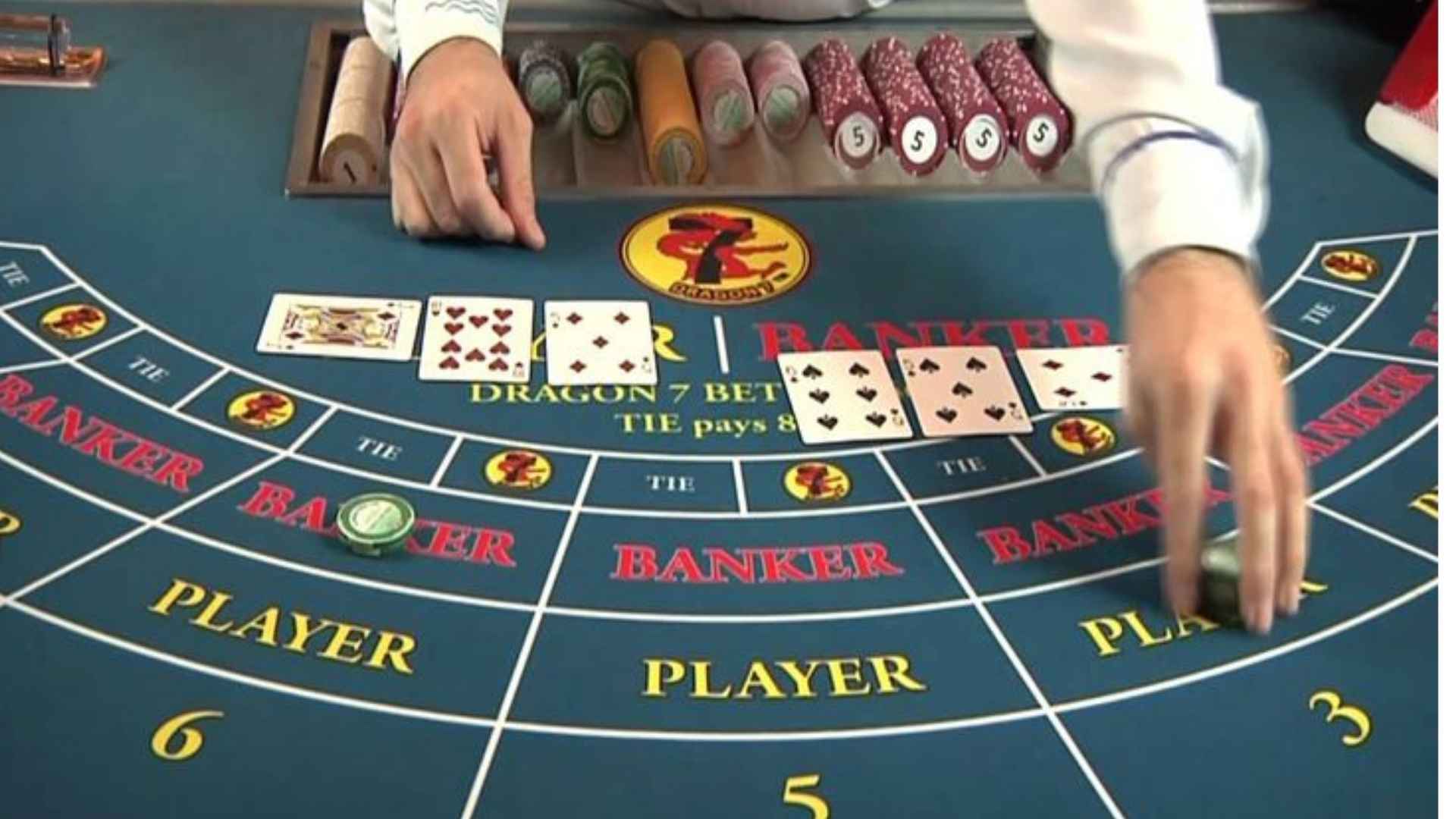
Baccarat table procedures carry a deep sense of tradition that shifts noticeably as the game crosses international borders. While the objective of predicting whether the player or banker hand lands closest to nine remains identical, the physical interaction between the dealer and the participants changes based on regional preferences. Exploring these localized customs provides players with a clearer understanding of how cultural expectations shape modern casino mechanics around the world.
The Macau Squeeze Ceremony
In major Asian gaming hubs like Macau, baccarat procedures are dominated by a highly deliberate ritual known as the card squeeze. Players who place the largest wagers on a particular hand are granted the privilege of slowly peeling up the edges of the physical cards to reveal the pips. This dramatic custom slows down the pace of play significantly, turning a fast card game into an intense psychological experience for everyone seated around the felt.
The physical handling of the cards during this ceremony means that a single deck cannot be reused for subsequent rounds. Dealers are specifically trained to manage this elaborate workflow, ensuring that security protocols are strictly maintained while allowing players to enjoy their superstitious rituals. This localized approach highlights how regional table management prioritizes player engagement over rapid-fire table efficiency.
North American Punto Banco Efficiency
North American casinos generally implement a much more streamlined version of baccarat table management designed for maximum security and speed. Under these standard regulations, players are completely forbidden from touching the playing cards at any point during the session. The entire distribution process is handled exclusively by professional croupiers using fixed drawing rules that leave no room for human intervention.
This structured setup allows multiple rounds to be completed within a fraction of the time required by traditional international variations. Casual enthusiasts frequently favor this approach because it eliminates complex card-handling etiquette and reduces potential friction at the table. To experience these efficient configurations alongside modern live dealer platforms, many players turn to specialized digital alternatives such as m88 link alternatif terbaru for structured real-time gameplay.
European Chemin de Fer Peer Management
European gaming houses often preserve the historic rules of Chemin de Fer, which introduces a completely decentralized table procedure. In this traditional arrangement, the casino croupier does not actively manage the bankroll or distribute cards to the participants. Instead, the role of the banker rotates dynamically among the players, who take turns financing the table wagers and making active operational choices.
This specific layout alters the social dynamic of the room, as participants are directly playing against one another rather than challenging the house. The dealer remains present solely to arbitrate disputes, calculate commission fees, and ensure compliance with traditional etiquette guidelines. It remains a preferred choice for high rollers who appreciate structural sophistication and active decision-making capabilities.
The Digital Automation Transition
The global expansion of digital casino environments has introduced automated table protocols that remove physical layout limitations entirely. Modern random number generators and live-streaming studios utilize advanced optical character recognition software to display hand results instantly on global screens. These systemic upgrades ensure absolute compliance with table standards while maintaining the traditional aesthetic values of the classic card game.
By removing manual shuffling ceremonies and chip distribution delays, virtual platforms accommodate an unprecedented volume of participants simultaneously. These modern structural procedures allow casual players to enjoy diverse regional variations from a unified interface. As technology continues to evolve, international table customs will likely become even more accessible to a global audience.